
Advanced AI Library. Three Ways to Use It.
Plug it in as a prompt to get an answer. Set it as a goal to complete a complex task. Turn it into a reusable skill for your library.
Each resource is structured for all three.
You are searching within this subcategory: Experience Recovery Systems. Search the entire library.
Experience Recovery Systems
Transform service failures into loyalty-building opportunities with our AI prompts. Ideal for customer service leaders, experience managers, and frontline teams, these AI-powered prompts guide you through structured recovery strategies that address both technical and emotional dimensions. Enhance customer relationships by ensuring consistent, effective recovery actions that boost satisfaction and long-term loyalty.
About this collection
Master Service Recovery: Turn Failures into Loyalty Opportunities
In any business, service failures are inevitable, but how they are handled can make all the difference in maintaining customer relationships. Many organizations find themselves grappling with inadequate service recovery, which often results in long-term negative impressions and diminished customer loyalty.
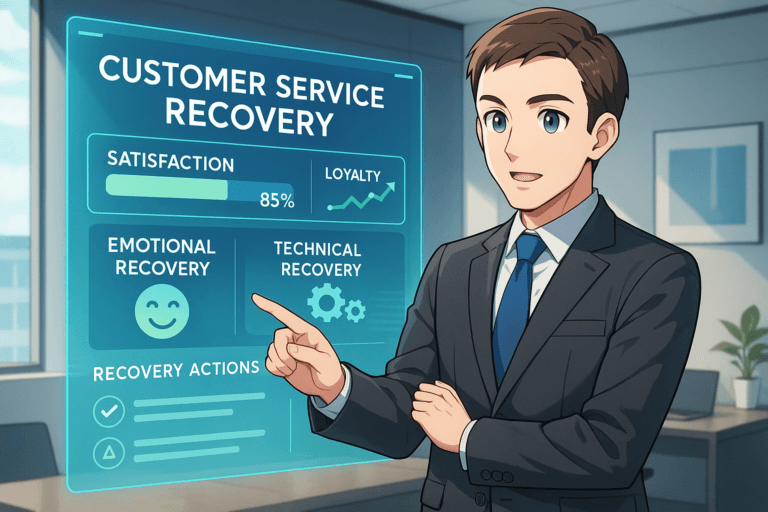
Traditional approaches might resolve the technical issues but fail to address the emotional impact on the customer, leaving a gap in relationship restoration. This subcategory offers a comprehensive solution through structured recovery approaches that transform negative experiences into moments of strengthened customer bonds.
What This Does
This subcategory focuses on effectively resolving service failures, offering structured recovery approaches that not only fix issues but also enhance customer relationships. By implementing these strategies, businesses can transform negative experiences into loyalty-building opportunities.
These prompts guide you in developing systematic approaches to service recovery that address both the practical and emotional dimensions of customer experiences.
Who Should Use This
Customer service leaders will benefit from these frameworks by implementing consistent recovery strategies across teams and departments.
Experience managers can utilize these approaches to systematically identify and address service breakdowns, ensuring recovery efforts enhance rather than harm customer relationships.
Frontline teams are empowered with specific templates and guidelines, enabling them to take appropriate actions that align with organizational goals.
Problems Solved
Generic Compensation
Many organizations provide generic compensation without addressing the emotional impact of service failures. This often results in unresolved feelings of dissatisfaction and resentment.
Inconsistent Recovery Approaches
Recovery efforts often depend on individual employee initiative, leading to inconsistent experiences that may not align with customer expectations or organizational standards.
Exclusive Focus on Issue Resolution
Focusing solely on resolving the issue without recognizing the need for relationship restoration can leave lasting negative impressions, even when the problem is technically fixed.
What You’ll Get
Service Recovery Frameworks
Comprehensive frameworks tailored for different failure types and severities, ensuring appropriate and effective recovery actions are taken.
Failure Detection Systems
Systems designed to proactively identify issues that require recovery efforts, minimizing the impact on customer relationships.
Frontline Empowerment Frameworks
Empower frontline teams with the tools and guidelines necessary to implement effective recovery actions that align with organizational values.
Recovery Communication Templates
Templates that help address both the emotional and practical aspects of recovery, ensuring comprehensive communication that resonates with customers.
Compensation Approach Frameworks
Frameworks for determining appropriate compensation that resolves the issue and restores customer satisfaction.
Recovery Effectiveness Measurement
Templates for evaluating the impact of recovery efforts on customer relationships, enabling continuous improvement and learning.
Key Features
Balancing Justice in Recovery
Procedural, interpersonal, and outcome justice: Guidance on balancing these elements to ensure fair and effective recovery experiences.
Relationship enhancement: Instructions for creating recovery experiences that not only fix issues but also potentially enhance customer relationships.
Frontline empowerment: Templates for developing appropriate empowerment strategies and guidelines for frontline teams.
Emotional state frameworks: Frameworks for addressing different emotional states following service failures, ensuring tailored recovery approaches.
Learning from failures: Patterns for analyzing failures to prevent recurrence while improving recovery processes.
Benefits & Results
Implementing these recovery systems allows organizations to protect and potentially strengthen customer relationships following service failures.
Users can significantly reduce customer churn by transforming service failures into loyalty-building opportunities.
These frameworks create recovery experiences so positive they enhance the organization’s reputation, leading to improved customer satisfaction and long-term loyalty.
Conclusion
Service recovery is not just about fixing problems; it’s an opportunity to build stronger customer relationships and enhance loyalty.
By implementing these structured recovery approaches, you can turn inevitable service failures into moments that strengthen your brand and customer connections.
Start transforming service failures today into opportunities for growth and loyalty with these comprehensive frameworks.
Core facts
Core Facts
Purpose: Resolves service failures by transforming negative experiences into relationship-strengthening moments through structured recovery approaches.
Target Users: Customer service leaders, experience managers, and frontline teams needing systematic approaches to address service breakdowns.
Problems Addressed: Inadequate recovery, generic compensation, inconsistent approaches, and exclusive focus on issue resolution without relationship restoration.
Deliverables: Service recovery frameworks, failure detection systems, frontline empowerment frameworks, recovery communication templates, compensation approach frameworks, recovery effectiveness measurement templates.
Features: Balancing procedural, interpersonal, and outcome justice, relationship enhancement, frontline empowerment templates, emotional state frameworks, learning from failures.
Value: Implements recovery systems that protect and strengthen customer relationships, reduce churn, and create positive recovery experiences enhancing reputation.
Explore entries
No results in this view.
End of results.
Load more